Before the Noticeboard: How Local Knowledge Travelled by Word of Mouth
Local knowledge by word of mouth can make a place easier to read. Learn how to pass on useful details while checking what may have changed.

Local knowledge by word of mouth can save a newcomer a wasted trip or help a neighbour find the right gate. A conversation might explain which lane floods after heavy rain, when the farm shop is open, or whom to ask about a shared footpath. Those details are most useful when the place, source and any uncertainty travel with them.
People still pick up a feel for a place at the post office counter, beside a school gate, over a garden fence or on the walk home. Informal exchanges can carry context that a notice misses, but a familiar voice is not always a current source. A little care keeps the warmth of the conversation without turning an old recollection into firm advice.
How word travels
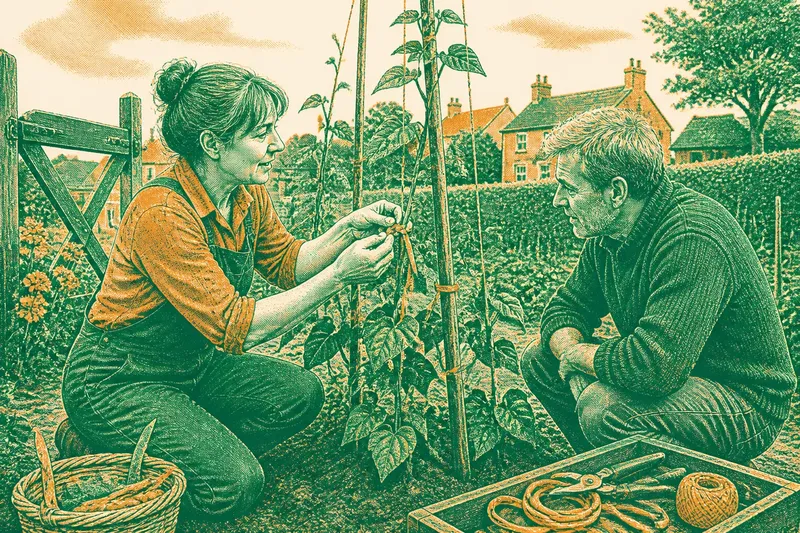
Spoken knowledge moves through relationships. Someone who has used a footpath for years may describe the gate to look for; a shopkeeper may know which delivery day shifts around a local event. The detail is useful because it comes with context, not just a direction.
Conversation also lets people ask, “Do you mean the track by the old mill?” That quick exchange can resolve ambiguity before anyone sets off. A notice can reach many people, but it cannot always answer a follow-up question or explain why a local name differs from the one on a map.
Word of mouth has many routes: a resident may tell a visiting relative, a volunteer may brief a new committee member, or neighbours may chat while walking dogs. Each person decides what seems worth repeating. That can bring an important detail forward, but it may also leave people outside the original circle unaware.
Why details drift
Memory is selective. A person may remember the destination but forget that a gate is only open on certain days, or recall a route from a dry week as if it were always passable. The missing detail may simply have seemed obvious at the time.
Retelling creates more room for change. “The path is closed” can become “the path is usually closed”, then “the path is open again”. A rough estimate of timing may harden into a fixed schedule, while a one-off exception is remembered as normal. Local nicknames can also confuse people when two places share a name.
Advice can become outdated without anyone noticing. A new landowner, a changed bus stop, roadworks or different opening arrangements can make yesterday’s information unreliable. Treat conversation as a useful lead, not proof that every detail remains true.
Make advice precise
“Go past the farm and turn left” may make sense to someone who knows which farm, but not to a visitor. Ask for a starting point, a named landmark and a description of the turn; then repeat the route back in your own words.
If no one knows how current a detail is, ask when it was last checked and who has direct, recent knowledge. For access, opening arrangements or a planned journey, confirm with the person or organisation responsible. If two neighbours disagree, ask what each saw and when rather than assuming the more confident speaker must be right.
Keep uncertainty attached to the message. Say what you know, what you heard and what remains unclear. When sharing useful information, consider who may not hear it through the usual circle and use a channel they can access, such as a notice at a shared venue or a direct invitation to ask.
Checks before sharing
Use these quick checks when a detail could affect someone’s plans. The answer should shape what you do next:
- Exact detail: Is the central point distinct from a guess or preference? If yes, pass on that point; if not, ask the speaker to clarify before sharing.
- Place: Is the lane, building, route or service named clearly? If yes, use that name; if not, ask for a landmark or starting point instead of repeating a vague nickname.
- Recency: Does the speaker know when the information was last checked? If yes, include that timing; if not, label it as unconfirmed and seek a current source when it matters.
- Direct source: Is the speaker responsible for the facility or has direct knowledge of it? If yes, identify that source; if not, ask who can confirm the arrangement.
- Changing conditions: Could weather, a temporary closure, an event or a change in ownership alter the advice? If yes, check the relevant condition before someone acts; if not, still make clear when the information applies.
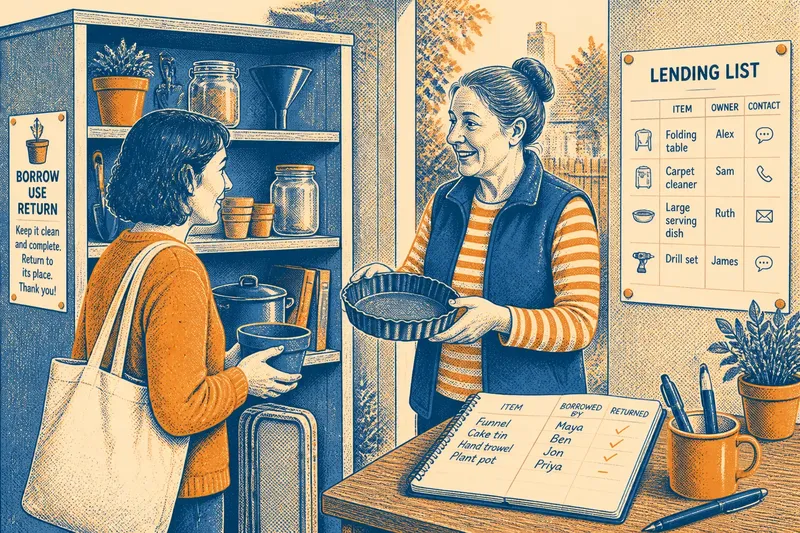
- Who hears it: Does the usual channel reach the people who need the detail? If yes, share it there; if not, add an accessible notice or tell someone who can pass it on.
These checks are reminders, not paperwork for every chat. For information set by a sign, a responsible organisation or local rules, follow the current source rather than a remembered conversation.
A clear handover
Say you hear that the footpath behind the village hall is muddy after rain. You ask which entrance the speaker means and whether they walked it recently. They say they used the rear hall gate that morning and found the low stretch muddy. You tell a neighbour, “Mara walked the path by the rear hall gate this morning and said the low stretch was muddy; I haven’t checked it myself.” The neighbour now has a location, timing and source, while knowing the observation may not describe conditions later.
A handover like this can stay conversational. Phrases such as “I heard this from…” and “I’m not sure if it has changed” help listeners judge how much to rely on a detail and whether to ask someone else. There is no need to create a form or a new messaging group for every passing piece of advice.
Invite corrections without making a neighbour feel challenged: “If you’ve been there more recently, tell me if it’s different.” That leaves room for new information and makes it easier to update a detail without turning the exchange into an argument.
Questions about local knowledge?
Why does local knowledge travel well by conversation?
People can attach advice to a specific place, explain its context and answer a follow-up question. The listener can also describe what they need, helping the speaker offer a relevant detail.
When should I verify a local tip?
Check when the information could affect access, opening arrangements or a planned journey, especially if it may have changed. Ask the person or organisation responsible for the place or service.
Can I pass on something I cannot confirm?
Yes, if you clearly say it is unconfirmed and name where it came from. If someone may act on it, direct them towards a current source rather than letting a rumour sound settled.
How can newcomers hear useful local information?
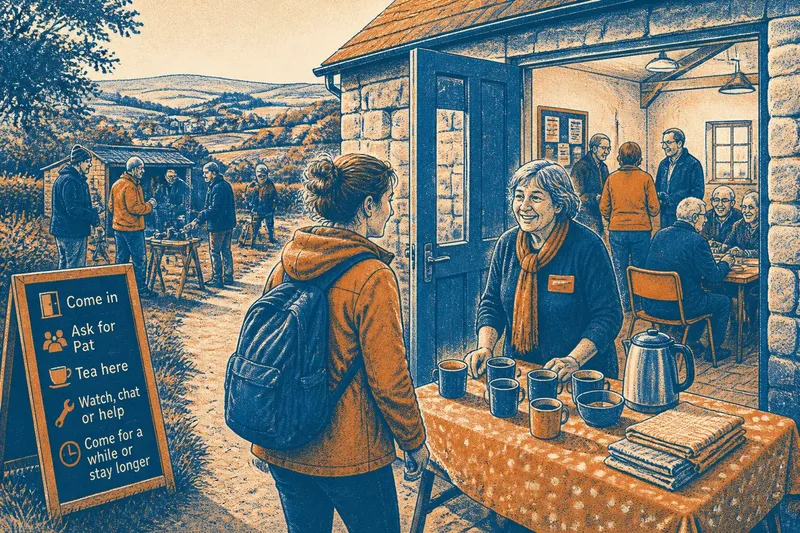
Share a relevant detail beyond the familiar circle, using a channel newcomers can access. A conversation at a shared venue may help; a visible notice can reach people who do not yet know whom to ask.
What not to repeat
Not every scrap of local talk deserves another retelling. A personal hunch about someone’s motives, a warning with no place or source, or a rumour that could harm another person’s reputation is usually more trouble than help. Leave it alone unless there is a clear practical reason to verify and share it responsibly.
For useful local knowledge by word of mouth, keep the detail specific, keep its source attached and make uncertainty audible. If a listener still cannot tell where the advice applies or who can confirm it, help them find the right person before they set off.